
Precision Longevity & Cellular Optimization
Targeted cellular therapeutics, systemic rejuvenation protocols, and performance bio-optimization.
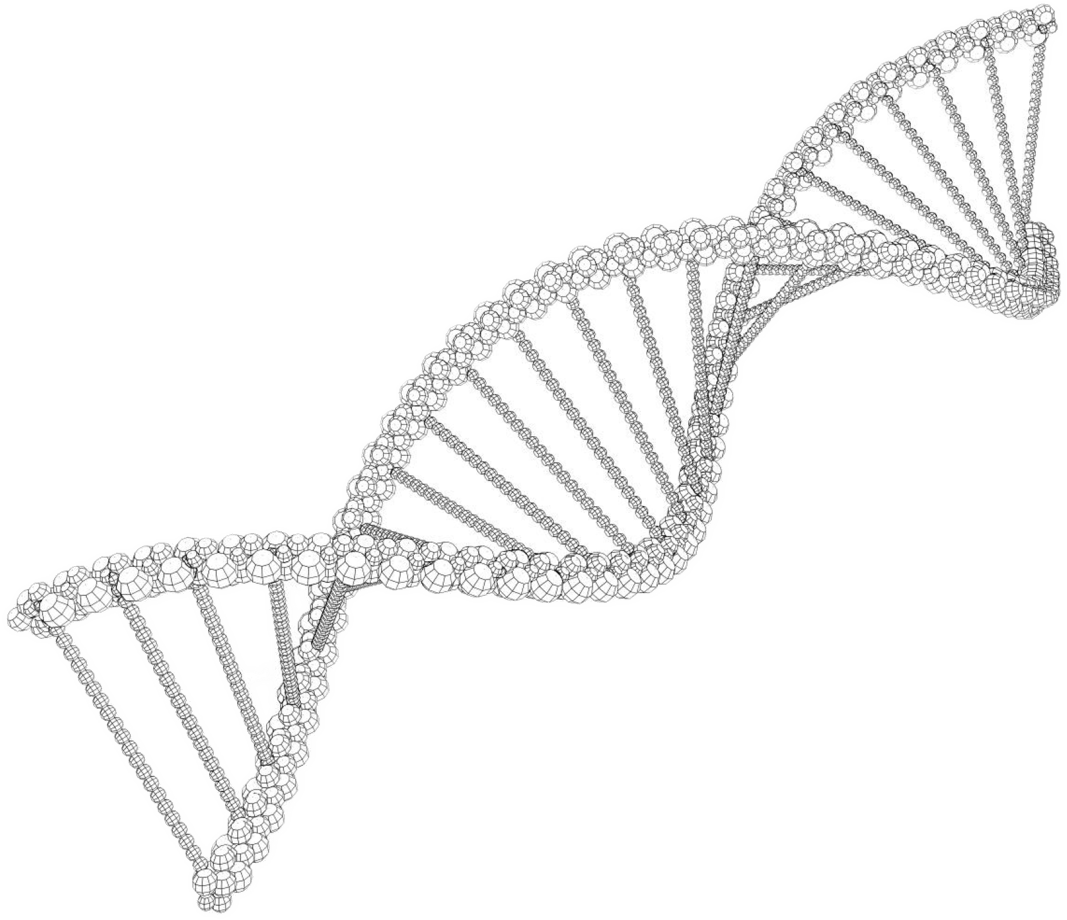
The Triple Helix Lifestyle division bridges translational molecular biology with personalized preventive medicine. Spanning six targeted domains — from systemic age reversal and dermal regeneration to cardiopulmonary endurance, cognitive preservation, and metabolic recalibration — our protocols replace speculative wellness claims with rigorous biomarker baselines, validated therapeutic vectors, and objective physiological endpoints.
01 · Age Reversal
Biological function is measurable. Chronological age is not negotiable.
Age is not one process. It is a set of separable processes — tissue repair capacity, immune competence, mitochondrial output, protein quality control, vascular function — that decline at different rates in different people and respond to different interventions. Treating them as a single thing called aging is what produces vague programmes and unmeasurable results. Every protocol here starts with a measured baseline across those axes, and the intervention is chosen to move a named one. The result is assessed against the same measurements. That sequence is unremarkable in medicine and rare in this field, where the more common approach is a fixed package sold to everyone and assessed by how the patient reports feeling.
What is measured
- Functional capacity: VO2 max, grip strength, gait speed, standing balance
- Immune status: naive T-cell fraction, CMV serostatus, inflammatory markers
- Metabolic: HOMA-IR, continuous glucose response, lipid subfractions, liver fat
- Organ-specific panels selected by baseline finding rather than applied uniformly
What this does not claim
Chronological age does not change, and no intervention has been shown to reverse human aging. What can be measured is whether a specific function has improved, by how much, and for how long. Epigenetic clock movement is a research marker, not evidence of reversed aging, and it is reported here as one input among several rather than as a result in itself.
02 · Longevity
Targets chosen on evidence grade, and delivery formats matched to how long the effect should last.
The gap between what is published in longevity biology and what is offered commercially is wide, and most of it is filled with interventions supported by mouse data and nothing else. The programme here is built around an explicit evidence grade for every target, maintained as a working reference rather than as marketing material: what has human data, what has animal data only, what has a mechanism and no outcome, and what the counter-evidence says. Delivery format is the second decision and is treated as separate from target selection. A gene intended to act for a season and a gene intended to act for a decade are different engineering problems, and using a permanent vector for a reversible objective is a design error rather than a stronger version of the same product. Non-viral formats are used where redosing and withdrawal matter; long-duration vectors where sustained expression is the objective and the risk is justified.
What is measured
- Pre-specified primary measure for each target, set before treatment
- Expression or exposure confirmation where the construct allows it
- Scheduled safety laboratory monitoring with defined stopping thresholds
03 · Skin Reverse Aging
Treating the dermis, not the surface.
Visible skin ageing is largely a dermal problem: collagen and elastin production falls, the extracellular matrix degrades faster than it is rebuilt, and the dermal-epidermal junction flattens. Topical cosmetics act above that layer, which is why they change appearance temporarily and structure not at all. The approach here delivers instructions for matrix and growth-factor production into the dermis itself, using non-viral formats — lipid and plasmid-based — that act locally and clear. Local action is the design intent rather than a limitation: a construct that stays where it is placed avoids systemic exposure for what is a cosmetic indication, and the risk tolerance for a cosmetic indication in a healthy person should be, and here is, far lower than for a disease.
What is measured
- Cutometer elastic recovery and skin firmness
- High-frequency ultrasound or OCT dermal thickness
- Standardised photography under fixed lighting with independent grading
04 · Hair Regrowth
Reaching the follicle while it is still there.
In androgenetic alopecia the follicle is not lost first — it miniaturises. Successive growth cycles produce a thinner, shorter, less pigmented hair until the follicle stops producing a visible one at all. For most of that sequence the follicle is still present and still capable of responding, and the practical question is whether an effective signal can be delivered into it. The programme combines a non-viral construct targeting the growth and vascular signals of the follicular unit with suction-assisted intradermal delivery, which addresses the distribution problem directly: reaching the follicular bulge reliably across a treatment field is the reason most topical approaches underperform their mechanism.
What is measured
- Phototrichogram hair count and density in a tattooed reference field
- Terminal-to-vellus hair ratio
- Hair shaft diameter measured by trichoscopy
- Standardised global photography, independently graded
05 · Metabolic Reconditioning
Insulin sensitivity, mitochondrial output, and substrate handling, measured rather than inferred.
Metabolic decline with age is not a single deficiency, and supplement-led protocols that treat it as one produce reliable changes in blood levels and unreliable changes in function. Insulin sensitivity, mitochondrial capacity, and substrate flexibility are related but separable, and each is measurable at a level more informative than a fasting glucose. Protocols are selected against a measured baseline and constructed to move a named parameter. Where the human evidence for a target is thin, it is described that way rather than presented as established — the NAD pathway being the clearest example, where raising circulating levels is straightforward and demonstrating functional benefit in humans remains the open question.
What is measured
- HOMA-IR and oral glucose tolerance, with continuous glucose monitoring for daily variability
- Indirect calorimetry for substrate utilisation and metabolic flexibility
- VO2 max and ventilatory threshold
06 · Muscular Enhancement
Strength and function, not mass.
Muscle mass and muscle function separate with age, and they separate again under intervention. Several pharmacological programmes in this field have produced measurable increases in lean mass with no improvement in strength or physical performance, which is a negative result presented in flattering units. The approach here uses locally delivered myotropic constructs in defined muscle groups, with expression targeted to the tissue treated rather than distributed systemically. Assessment is deliberately construct-matched: strength and performance are measured in the muscle groups that were actually treated, alongside imaging of those muscles, because whole-body lean mass cannot distinguish hypertrophy from fluid and does not track with what a patient can do.
What is measured
- Isometric and isokinetic strength in treated muscle groups
- Cross-sectional area by MRI in the treated field
- Short Physical Performance Battery, chair-rise time, gait speed

Schedule a Baseline Longevity Evaluation
Meet with our longevity medicine clinicians to perform comprehensive functional, immune, and metabolic baseline testing.